
Microbiology Department
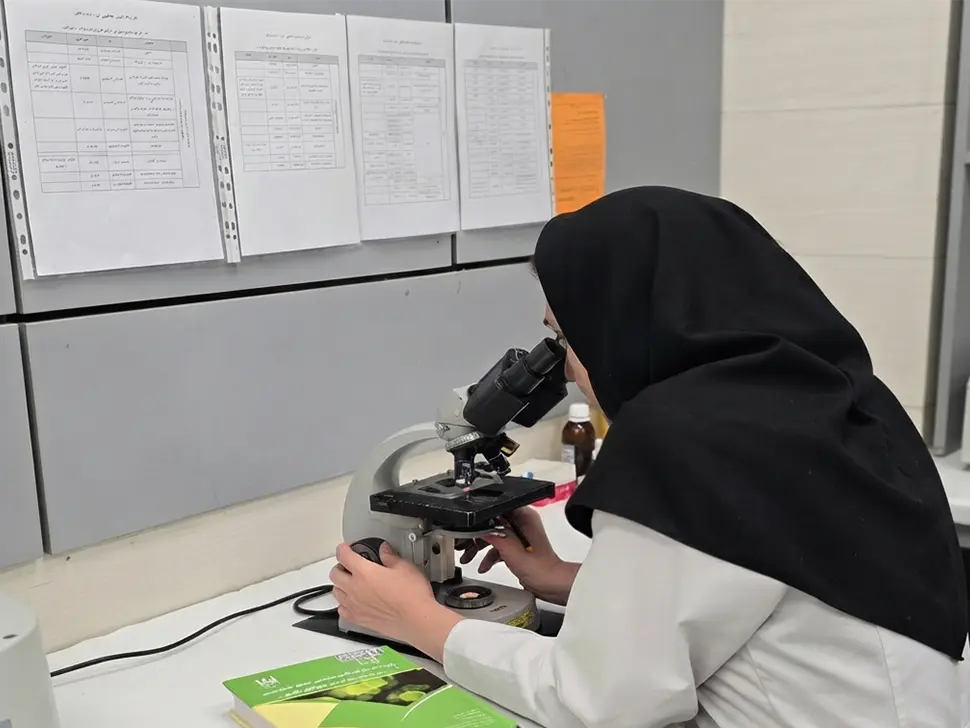
Microbiology Department of Dr. Daneshbod Pathobiology Laboratory in Shiraz
The Microbiology Department of Dr. Daneshbod Pathobiology Laboratory in Shiraz is one of the laboratory’s specialized departments involved in the investigation and diagnostic evaluation of bacterial, fungal, and other detectable microbial infections. In many infectious diseases, an accurate diagnosis cannot be made solely on the basis of clinical symptoms, as signs such as fever, pain, burning, discharge, inflammation, or generalized weakness may occur in a variety of infections. In such cases, microbiological testing can help physicians investigate the potential infectious agent more accurately and support clinical decisions regarding diagnosis and treatment.
At the Microbiology Department of Dr. Daneshbod Laboratory, clinical specimens are carefully received and examined according to the type of test requested. When indicated, microbial cultures and additional diagnostic tests are performed. The purpose of microbiological testing is not simply to report the “presence or absence of microorganisms,” but to provide laboratory findings that can contribute meaningfully to the patient’s clinical assessment.
When a clinically relevant microorganism grows in culture, an antibiogram or antimicrobial susceptibility test may be performed. This test determines whether the isolated microorganism is susceptible or resistant to the antimicrobial agents tested under laboratory conditions. The resulting information can assist the treating physician in selecting a more appropriate therapeutic approach.
What Is Microbiological Testing?
Microbiological testing includes a range of laboratory investigations used to detect, identify, and evaluate infectious agents such as bacteria, fungi, and certain other microorganisms. Depending on the physician’s request and the suspected type of infection, these tests may be performed on various clinical specimens, including urine, blood, sputum, wound specimens, body secretions, stool, and other clinical samples.
Based on the patient’s symptoms, the suspected site of infection, medical history, and medication use, the physician determines the appropriate specimen and laboratory test. For example, a urine culture may be requested when a urinary tract infection is suspected. In infected wounds, examination of wound secretions or a wound culture may be important, while sputum or other respiratory specimens may be required in certain respiratory infections.
What Services Are Provided by the Microbiology Department of Dr. Daneshbod Laboratory?
At the Microbiology Department of Dr. Daneshbod Pathobiology Laboratory in Shiraz, laboratory investigations related to infectious agents are performed, including microscopic examination of specimens, microbial culture, and, when indicated, antimicrobial susceptibility testing.
The specific test, analytical method, and turnaround time depend on the type of specimen, the suspected infectious agent, and any additional investigations that may be required.
| Type of Test | Common Specimens | Clinical Application |
| Urine Culture | Urine specimen | Helps evaluate urinary tract infections and identify potential microbial pathogens |
| Wound and Discharge Culture | Wound discharge, abscess material, and skin secretions | Investigation of potential infectious agents in wounds and infectious lesions |
| Sputum Culture | Respiratory sputum | Helps investigate certain respiratory tract infections |
| Stool Culture | Stool specimen | Investigation of certain infectious agents affecting the gastrointestinal tract |
| Microscopic Examination | Various clinical specimens | Visualization of cells, evidence of inflammation, and certain bacteria or fungi |
| Gram Staining | Relevant clinical specimens | Preliminary evaluation of bacteria and guidance for further microbiological investigation |
| Antimicrobial Susceptibility Testing (Antibiogram) | Microorganism isolated from culture | Evaluation of microbial susceptibility or resistance to antimicrobial agents |
The exact range of available tests may vary depending on the specimen type, physician’s request, the patient’s clinical condition, and the diagnostic methods required.
What Is a Microbial Culture and Why Is It Performed?
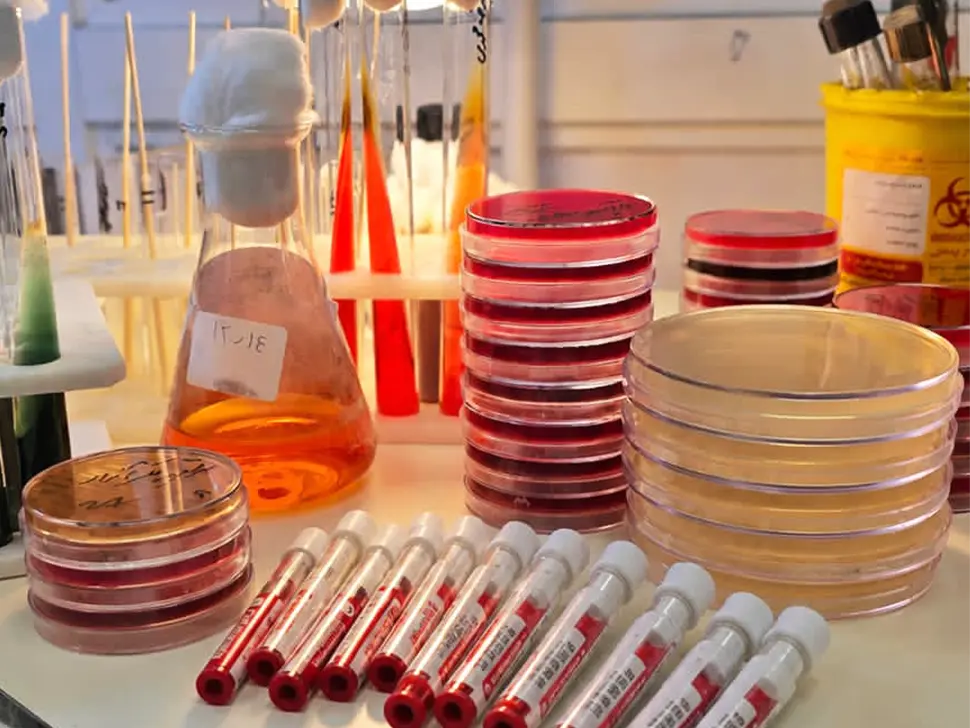
A microbial culture is one of the principal diagnostic methods used in a microbiology laboratory. In this procedure, the patient’s specimen is placed in appropriate culture media and under suitable incubation conditions so that any viable, culturable microorganisms present can grow and subsequently be isolated and identified.
Culture results can help physicians determine whether a detectable bacterial or fungal organism has grown from the specimen. If the culture is positive, the isolated microorganism can then undergo further evaluation.
The diagnostic value of a culture is strongly influenced by the quality of the specimen. For example, improper collection of a urine culture specimen may result in contamination and reduce the reliability of the result. For more information about appropriate urine collection and interpretation, you can read the guide on Urinalysis and Urine Culture. Similarly, for sputum culture, a specimen consisting predominantly of saliva rather than true lower respiratory tract sputum may have limited diagnostic value.
For this reason, correct specimen collection and proper patient instructions before sample collection are essential components of microbiological testing. Before visiting the laboratory, patients may review the Pre-Test Preparation and Specimen Collection Instructions.
What Is an Antibiogram or Antimicrobial Susceptibility Testing (AST)?
In this context, an antibiogram refers to Antimicrobial Susceptibility Testing (AST). AST is generally performed when a microorganism of potential clinical significance has grown in culture and evaluation of its antimicrobial susceptibility is clinically indicated.
The test determines whether the isolated microorganism is susceptible or resistant to the antimicrobial agents being evaluated under standardized laboratory conditions.
In certain clinical situations and for specific antimicrobial agents, more detailed evaluation of antimicrobial susceptibility may involve determining the Minimum Inhibitory Concentration (MIC). Dr. Daneshbod Laboratory also provides MIC testing for colistin and vancomycin.
However, selection of an antimicrobial treatment should not be based solely on laboratory susceptibility results. Physicians also consider factors such as the site and severity of infection, the patient’s overall clinical condition, age, pregnancy status, underlying medical conditions, medication history, and other relevant clinical information.
Therefore, culture and antimicrobial susceptibility results should always be interpreted by the treating physician in the context of the patient’s clinical condition.
When Might a Physician Request Microbiological Testing?
A physician may request microbiological tests when an infection is suspected, when identification of a possible infectious agent is necessary, or when a previous treatment has not produced the expected clinical response.
Some situations in which microbiological investigation may be considered, depending on the physician’s assessment, include:
- Burning, increased urinary frequency, or pain during urination
- Fever or chills when infection is suspected
- Abnormal discharge from a wound or surgical site
- Wounds that heal slowly or produce abnormal discharge or odor
- Persistent cough or cough accompanied by sputum
- Certain cases of severe or prolonged diarrhea, particularly when accompanied by warning signs
- Abnormal discharge from different parts of the body
- Recurrent or relapsing infections
- The need to evaluate microbial susceptibility to antimicrobial agents
The presence of these symptoms alone does not confirm an infection. Microbiological testing provides the greatest diagnostic value when it is requested based on clinical judgment and performed using an appropriate, properly collected specimen.
The Importance of Proper Specimen Collection in Microbiological Testing
In microbiology, specimen quality can directly affect the reliability of laboratory results. If a specimen is not collected, stored, or transported correctly, there may be an increased risk of contamination, reduced recovery of microorganisms, or results that require repeat evaluation.
For this reason, Dr. Daneshbod Pathobiology Laboratory in Shiraz provides patients with appropriate instructions regarding specimen collection and delivery whenever necessary. The required specimen container, delivery time, storage conditions, and collection procedure vary according to the test being performed.
| Specimen Type | Important Consideration Before Specimen Submission |
| Urine | The specimen should be collected according to laboratory instructions; in many cases, a midstream clean-catch urine specimen is required |
| Sputum | The specimen should consist, as far as possible, of true respiratory sputum rather than saliva alone |
| Wounds and Secretions | The specimen should be obtained from an appropriate site while minimizing the risk of superficial contamination |
| Stool | The specimen should be collected in an appropriate container and delivered to the laboratory within the recommended timeframe |
| Time-Sensitive Specimens | Certain specimens may require rapid transport or specific storage conditions |
If a patient has used antibiotics before a culture is performed, the physician and laboratory should be informed, as some antimicrobial medications can affect microbial growth in culture and influence test results.
Prescribed medications should not be discontinued or changed without consulting the treating physician.
Why Do Microbial Culture Results Take Time?
Unlike some laboratory tests that can be completed relatively quickly, many microbiological investigations require sufficient time for microorganisms to grow and undergo appropriate evaluation.
During microbial culture, the specimen is incubated under suitable conditions so that viable microorganisms, if present and capable of growing under those conditions, can be detected and identified. Once growth is observed, additional testing may be necessary to identify the organism and, when indicated, perform antimicrobial susceptibility testing.
For this reason, the turnaround time for culture results depends on factors such as the type of specimen, the microorganism involved, its growth characteristics, and any additional testing required.
In microbiological testing, obtaining an accurate and clinically meaningful result is more important than providing a premature or incomplete report.
The Role of Microbiology in Appropriate Antibiotic Use
Antimicrobial resistance is a major challenge in the treatment of infectious diseases, and inappropriate or unnecessary use of antibiotics can contribute to the development and spread of antimicrobial resistance.
When culture and antimicrobial susceptibility testing are medically indicated, these tests can provide physicians with more detailed information about the isolated microorganism and its susceptibility pattern to the antimicrobial agents tested.
This information may be particularly important in certain recurrent infections, infections involving resistant organisms, chronic wounds, some healthcare-associated infections, and patients with specific underlying medical conditions.
Differences Between Microscopic Examination, Microbial Culture, and Antimicrobial Susceptibility Testing
| Method | What Is Evaluated? | Application |
| Microscopic Examination | Direct visualization of cells, evidence of inflammation, and certain bacteria or fungi | Initial evaluation of the specimen |
| Microbial Culture | Growth and identification of culturable microorganisms present in the specimen | Helps identify a potential infectious agent |
| Antimicrobial Susceptibility Testing (Antibiogram) | Susceptibility or resistance of the isolated microorganism to antimicrobial agents | Supports physicians in making treatment decisions |
These three steps are not necessarily performed for every specimen. The specimen type, physician’s request, and findings from the initial investigations determine which additional tests are required.
Frequently Asked Questions About the Microbiology Department of Dr. Daneshbod Laboratory
What Is Microbiological Testing Used For?
Microbiological testing is performed to investigate infectious agents such as bacteria, fungi, and certain other microorganisms in clinical specimens. The results can help physicians evaluate a potential cause of infection.
When Is a Urine Culture Needed?
A physician may request a urine culture in situations such as burning during urination, increased urinary frequency, painful urination, certain cases of fever, or recurrent urinary tract infections. The decision to perform a urine culture depends on the patient’s symptoms and clinical circumstances and should be made by the physician.
Can Antibiotic Use Affect Culture Results?
Yes. Certain antibiotics can suppress microbial growth and therefore affect culture results. If you are currently taking antibiotics or have recently taken antimicrobial medication, inform both your physician and the laboratory.
Do not discontinue or change a prescribed medication without consulting your physician.
How Does an Antibiogram Help Guide Treatment?
An antibiogram determines whether the microorganism isolated from a specimen is susceptible or resistant to the antimicrobial agents tested under laboratory conditions. The physician uses this information together with the patient’s clinical condition when making treatment decisions.
Why Can Culture Results Take Several Days?
Many microorganisms require sufficient time to grow under laboratory conditions before they can be identified. Once growth occurs, additional identification procedures and antimicrobial susceptibility testing may also be required. Therefore, the turnaround time depends on the type of specimen and the microorganism involved.
Does a Negative Culture Mean That I Do Not Have an Infection?
Not necessarily. A negative culture means that no detectable microorganism capable of growing under the specific laboratory conditions was recovered. However, factors such as the type of infectious agent, specimen quality, timing of specimen collection, or the use of certain antimicrobial medications may affect the result.
Culture results should therefore be interpreted by a physician in conjunction with the patient’s symptoms and other clinical information.
What Should a Sputum Specimen for Culture Be Like?
A sputum specimen should, as far as possible, contain secretions originating from the respiratory tract rather than saliva alone. Adequate specimen quality can significantly affect the reliability and diagnostic value of the culture result.
Do All Positive Cultures Require Antimicrobial Susceptibility Testing?
No. Antimicrobial susceptibility testing is generally performed when a clinically relevant microorganism has been isolated in culture and susceptibility testing is considered appropriate based on laboratory and clinical criteria.
Conclusion
The Microbiology Department of Dr. Daneshbod Pathobiology Laboratory in Shiraz contributes to the diagnostic evaluation and follow-up of certain infections through the examination of clinical specimens, identification of infectious agents, microbial culture, microscopic examination, and, when indicated, antimicrobial susceptibility testing.
Proper specimen collection, appropriate specimen transport conditions, scientific evaluation of laboratory findings, and accurate reporting are essential components of microbiological testing.
Microbiology test results provide the greatest clinical value when the specimen has been collected correctly, any history of antibiotic use has been communicated to both the laboratory and the physician, and the results are interpreted in conjunction with the patient’s symptoms, medical history, and the treating physician’s clinical assessment.